
A wildlife conservation success story
Meet Sango

Our Mission
“
The Sango Nature Project mission is to amplify and scale the unique impact of Sango, demonstrating the viability of a large-scale, integrated rewilding and conservation model that combines biodiversity protection, climate change mitigation, and community empowerment, with the goal of replicating it across the African continent. ”
Our Model
From a dreamlike vision to a proven conservation model
When Sango was acquired in 1992, it was a land worn thin by more than a century of intensive cattle ranching. Its soils were exhausted, native vegetation depleted, and much of its wildlife pushed to the brink. Yet its new owner, Wilfried Pabst, held a clear and ambitious vision: to restore this degraded landscape and allow a self-sustaining ecosystem to emerge once again.
Over the following decades, that vision was patiently pursued through science-led rewilding and long-term commitment. Cattle infrastructure was dismantled, human pressures reduced, and nature was given the space and time to recover. Working alongside leading ecologists and in close partnership with neighbouring communities, Sango evolved into a living laboratory, where restoration was guided by research, experience, and respect for natural processes. The reintroduction of lions and white rhinos in 2005 and 2006 marked a turning point, signaling the return of ecological balance.
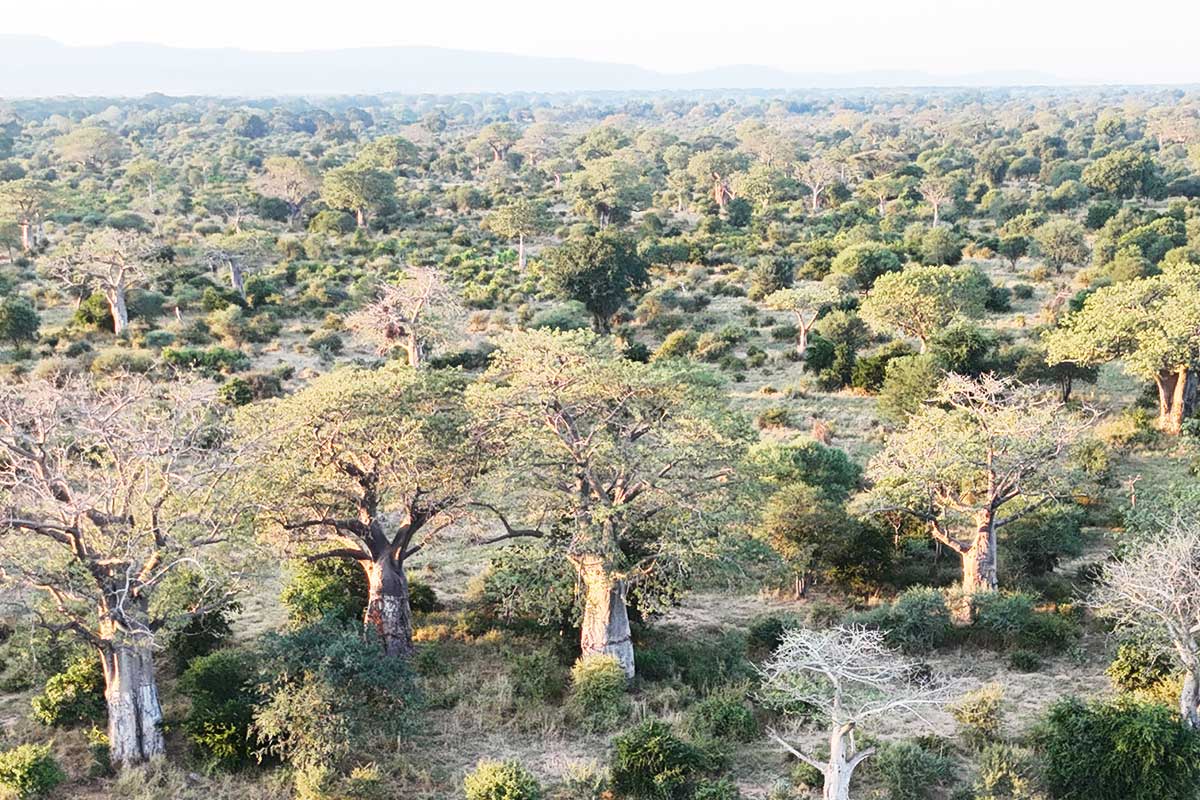
Today, nearly 60,000 hectares of savanna, woodland, wetlands, and riverine ecosystems have been restored. It extends along 24 kilometres of the Savé River and its wetlands, part of a 640-kilometre river system that supports agriculture far beyond Sango’s boundaries before flowing into the Indian Ocean. This river is a critical resource for irrigation, sustaining crops such as citrus, cotton, and sugar cane across the region.
Sango Wildlife Conservancy forms roughly one quarter of the 300,000-hectare Savé Valley Conservancy This conservancy lies within the Greater Limpopo Transfrontier Conservation Area, a 10-million-hectare cross-border landscape spanning Zimbabwe, Mozambique, and South Africa. Linking iconic protected areas such as Gonarezhou, Limpopo, and Kruger National Park.
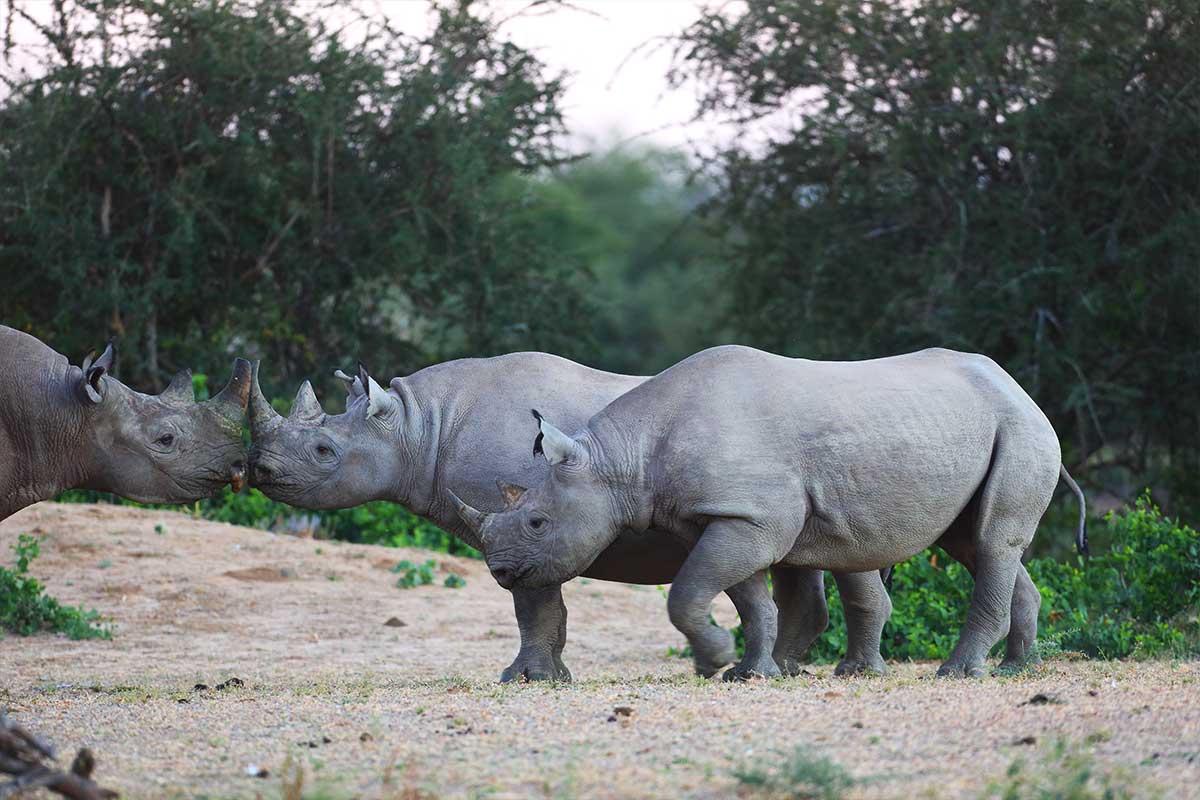
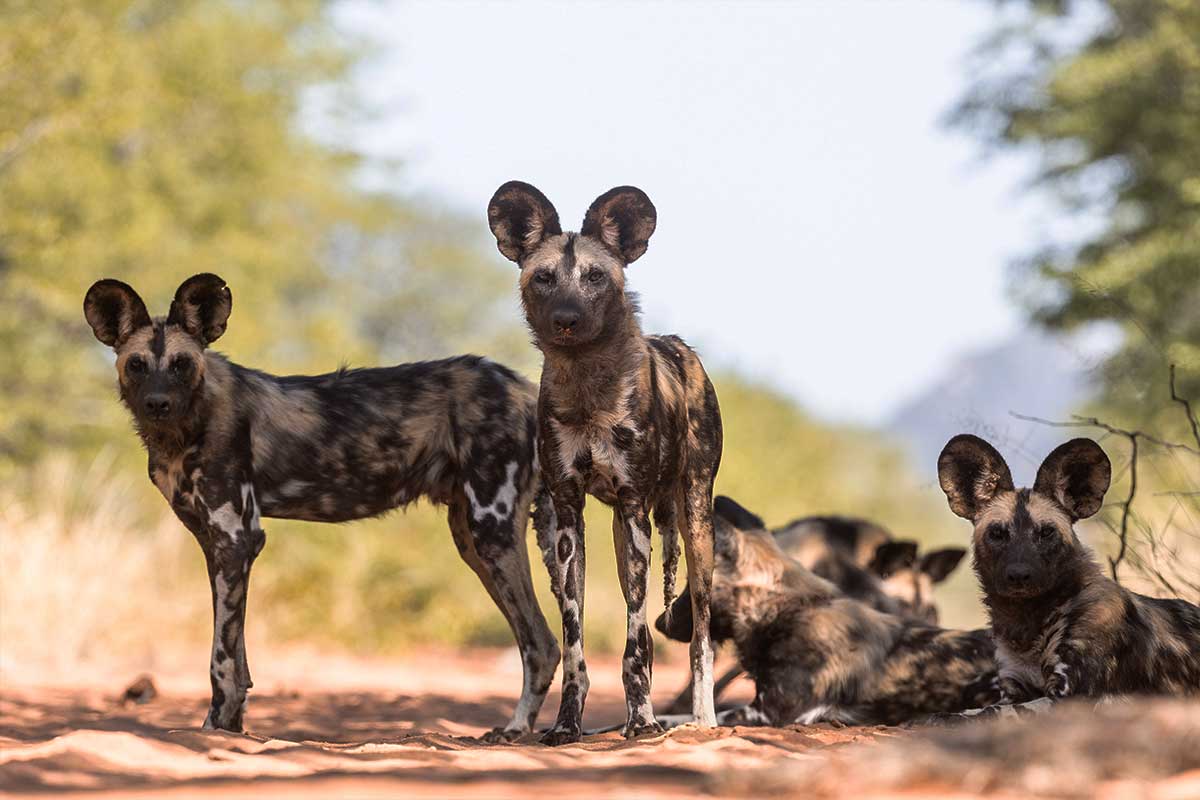
Forests have regenerated, soils have healed, and key wildlife, including black rhinos and African wild dogs and other iconic species across the food web, are once again thriving. Integrated into vast regional conservation landscapes, Sango now stands as living proof that large-scale rewilding and conservation can succeed.
What began as a dreamlike vision is now a proven conservation model, demonstrating that when science, community partnership, and long-term stewardship come together, nature can recover, and both people and ecosystems benefit from it.
A sanctuary for Africas iconic wildlife
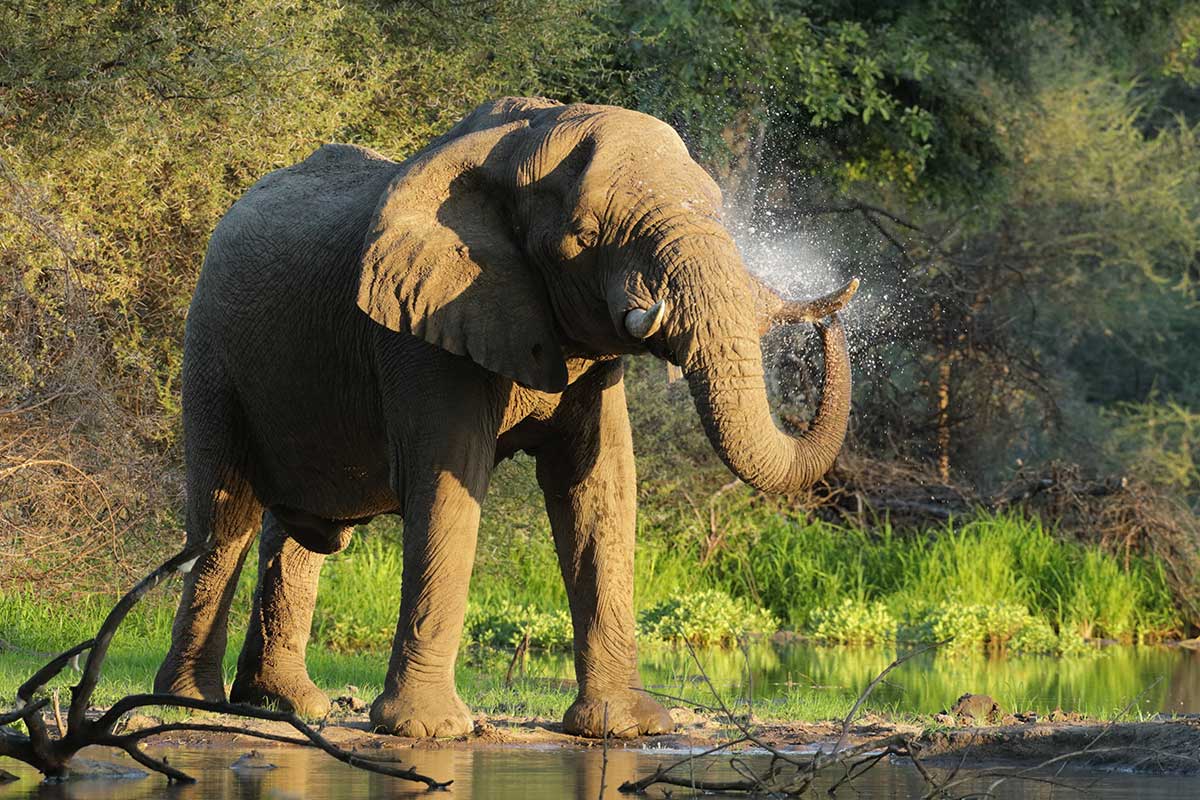
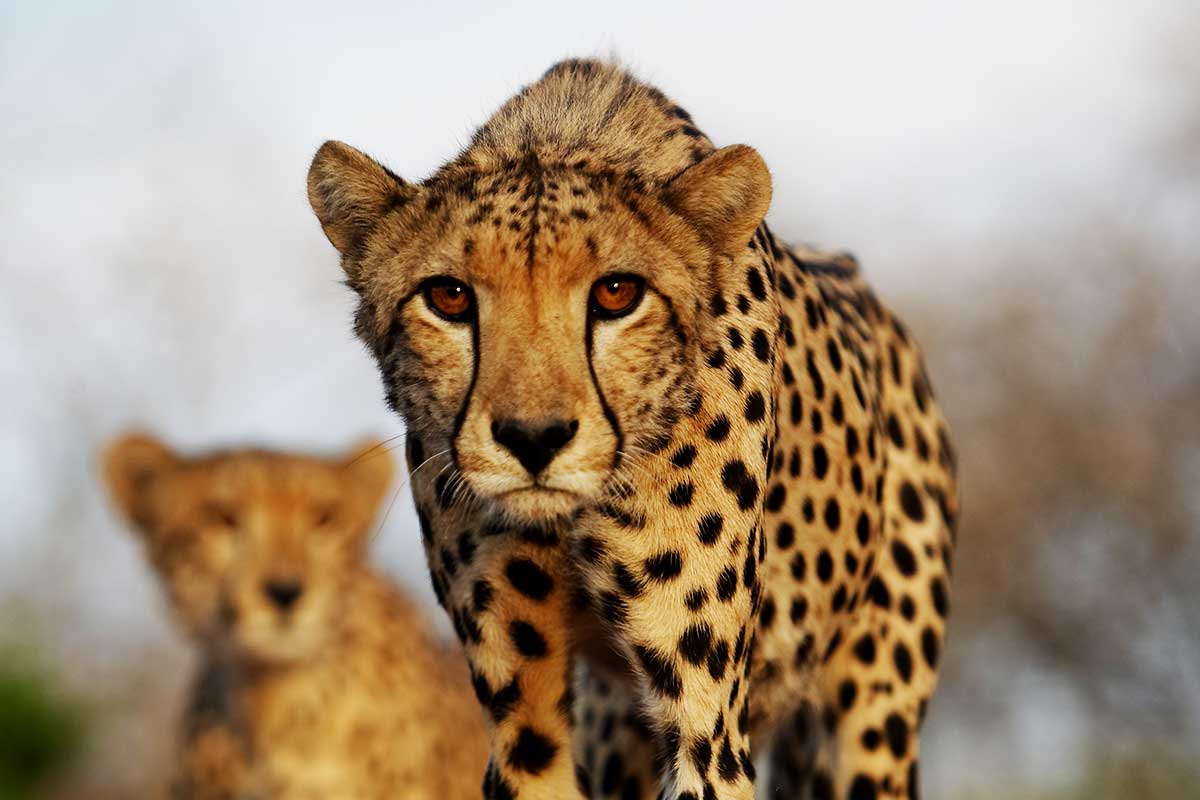
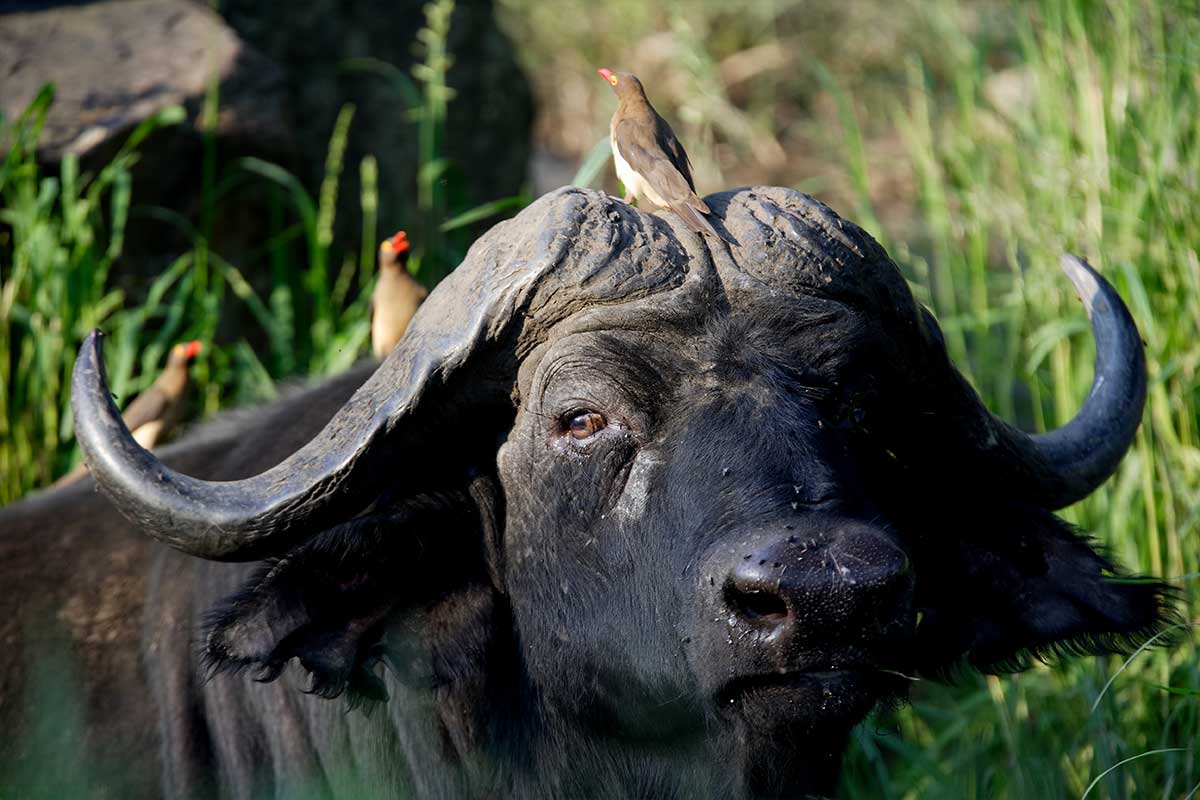
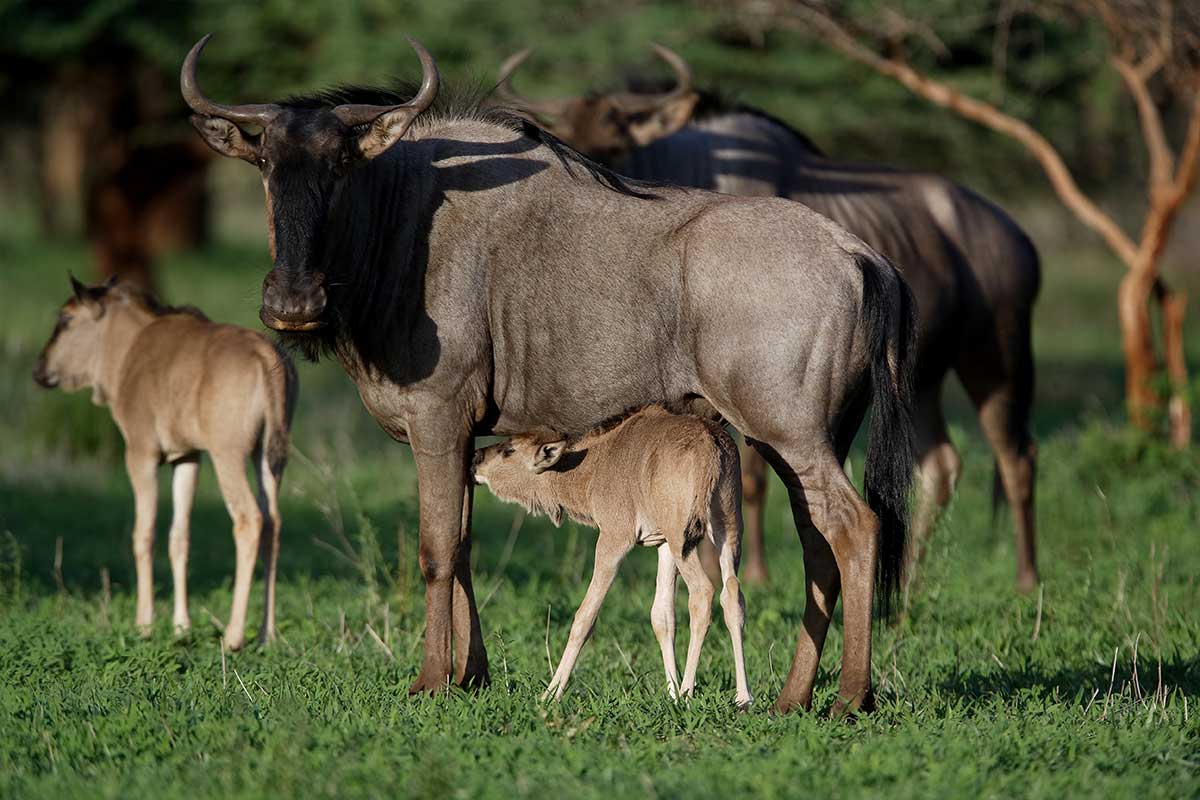
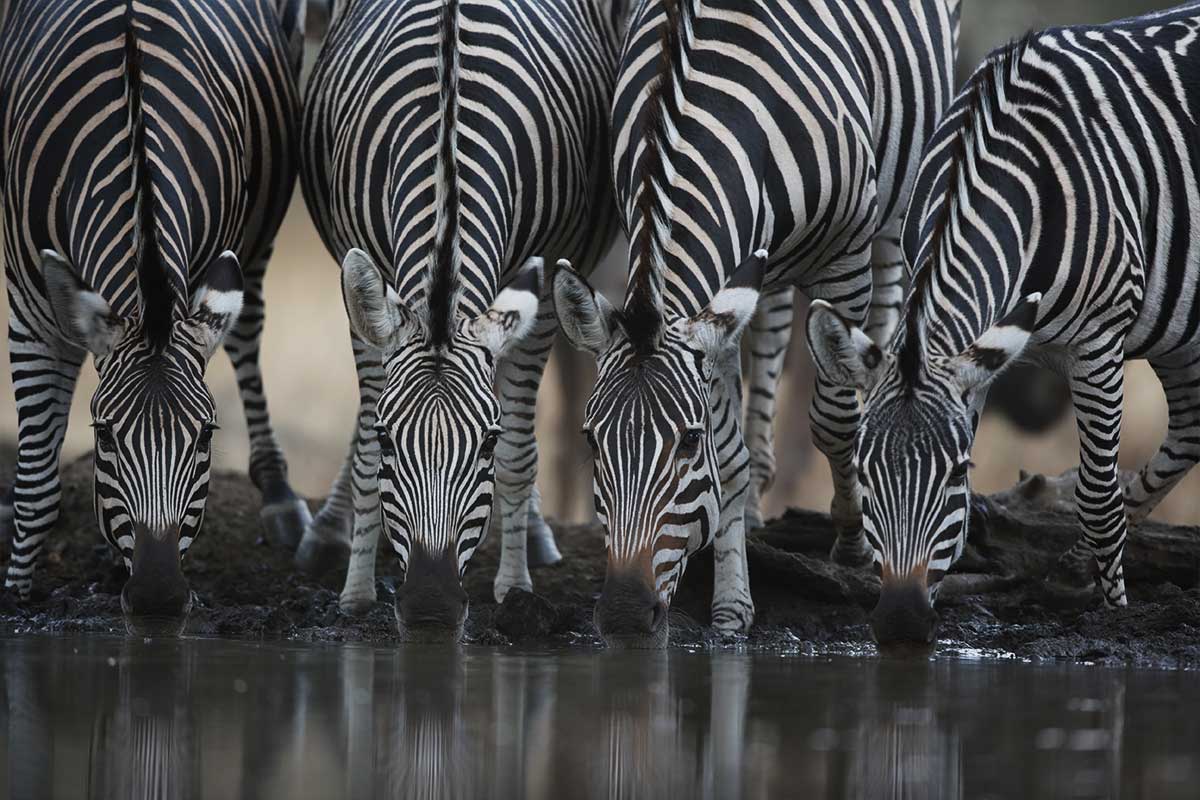
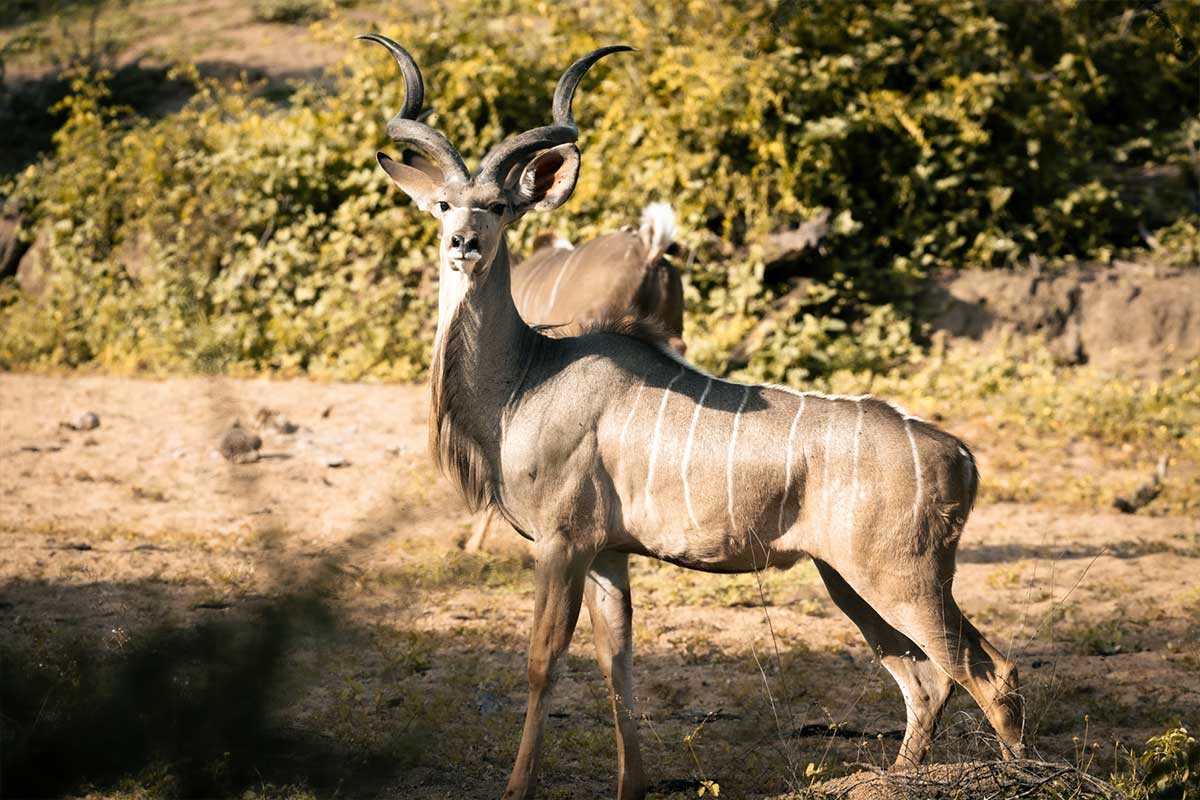
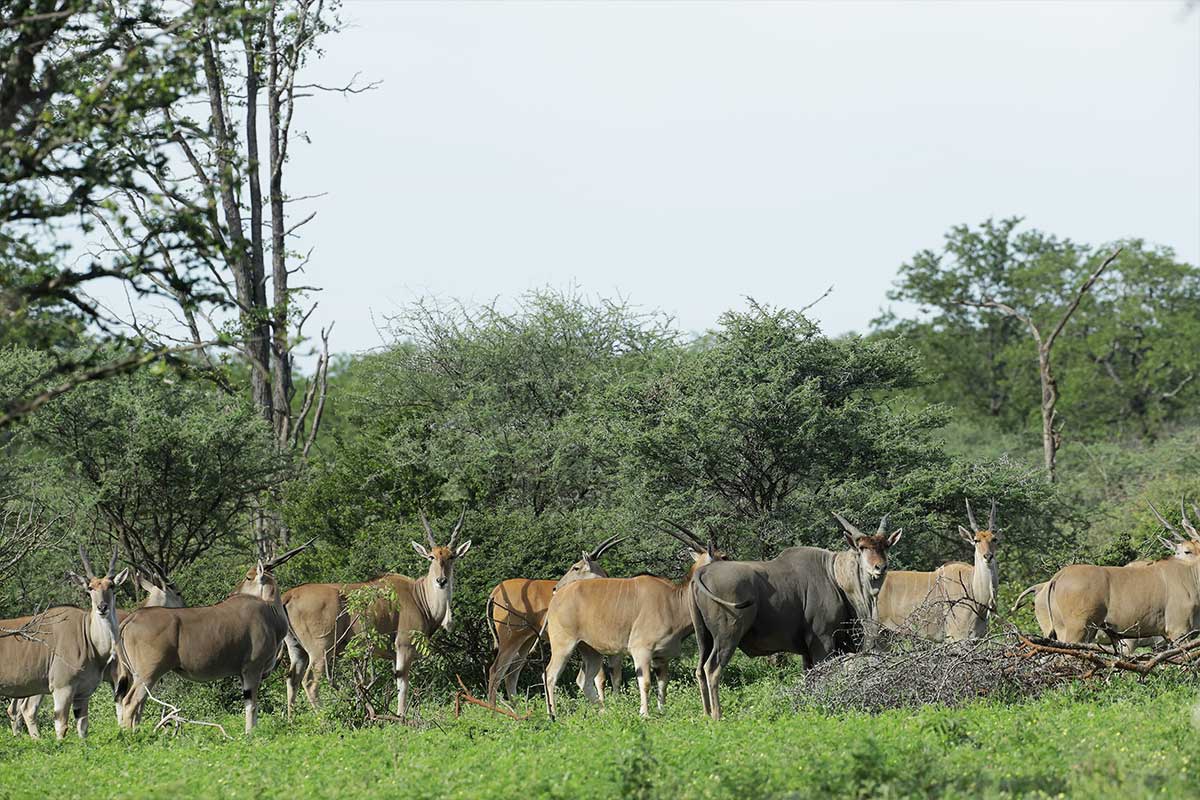
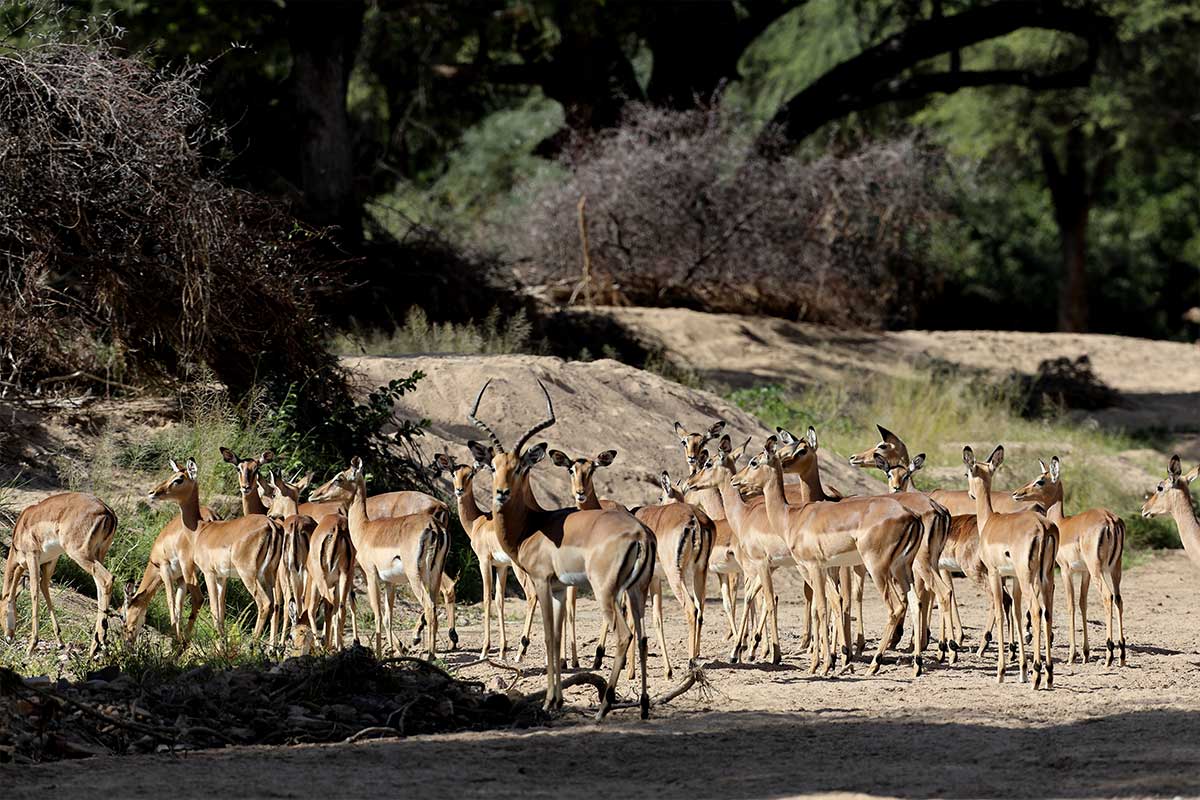
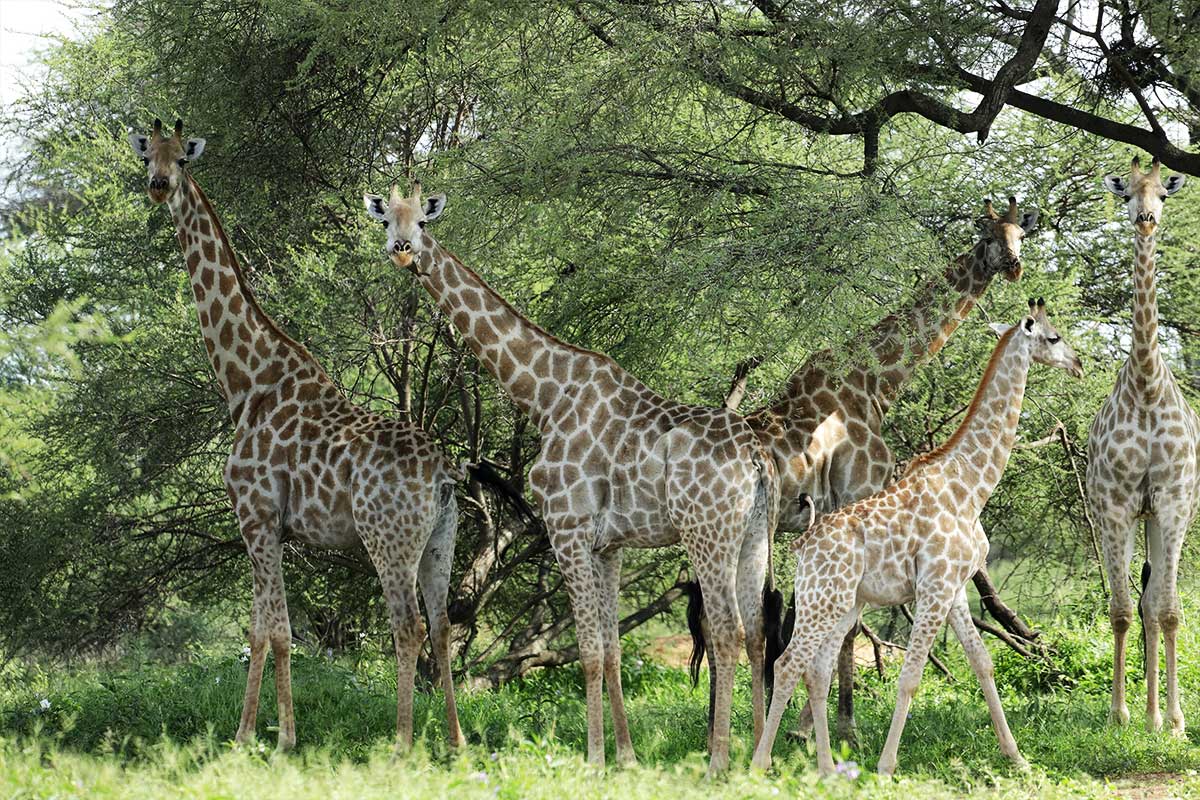
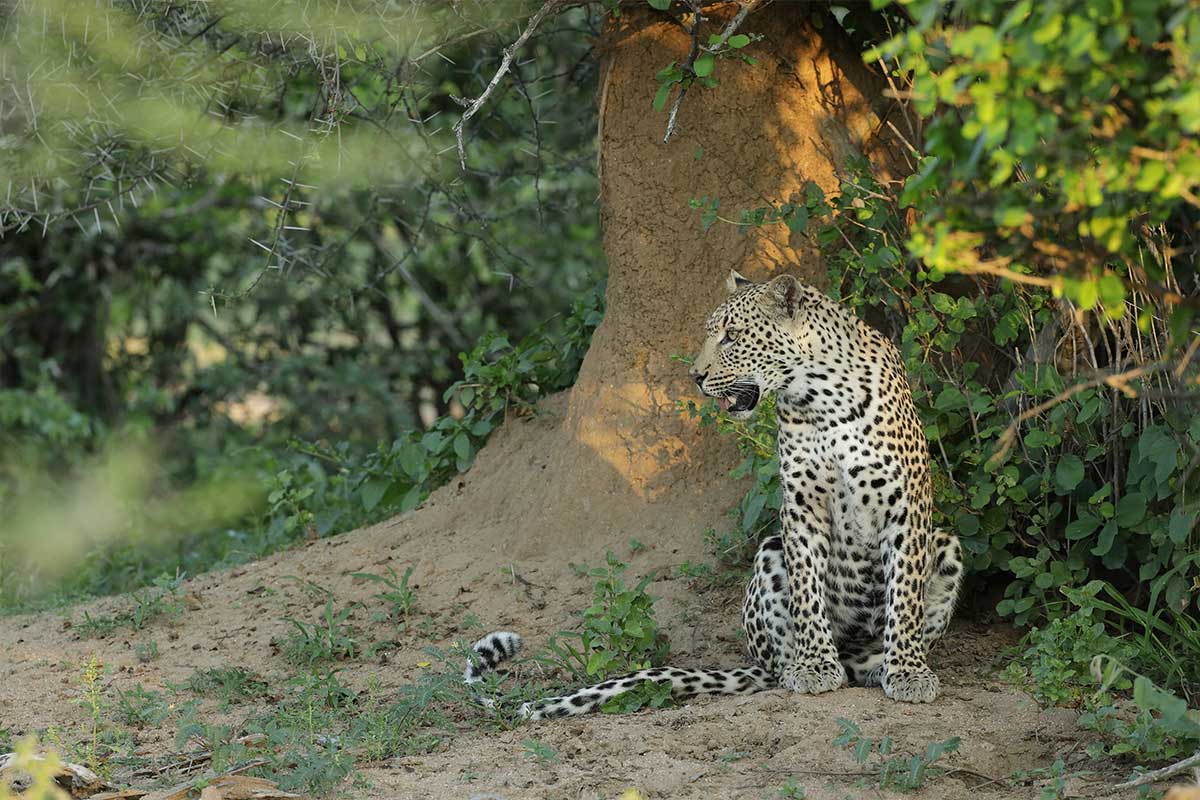
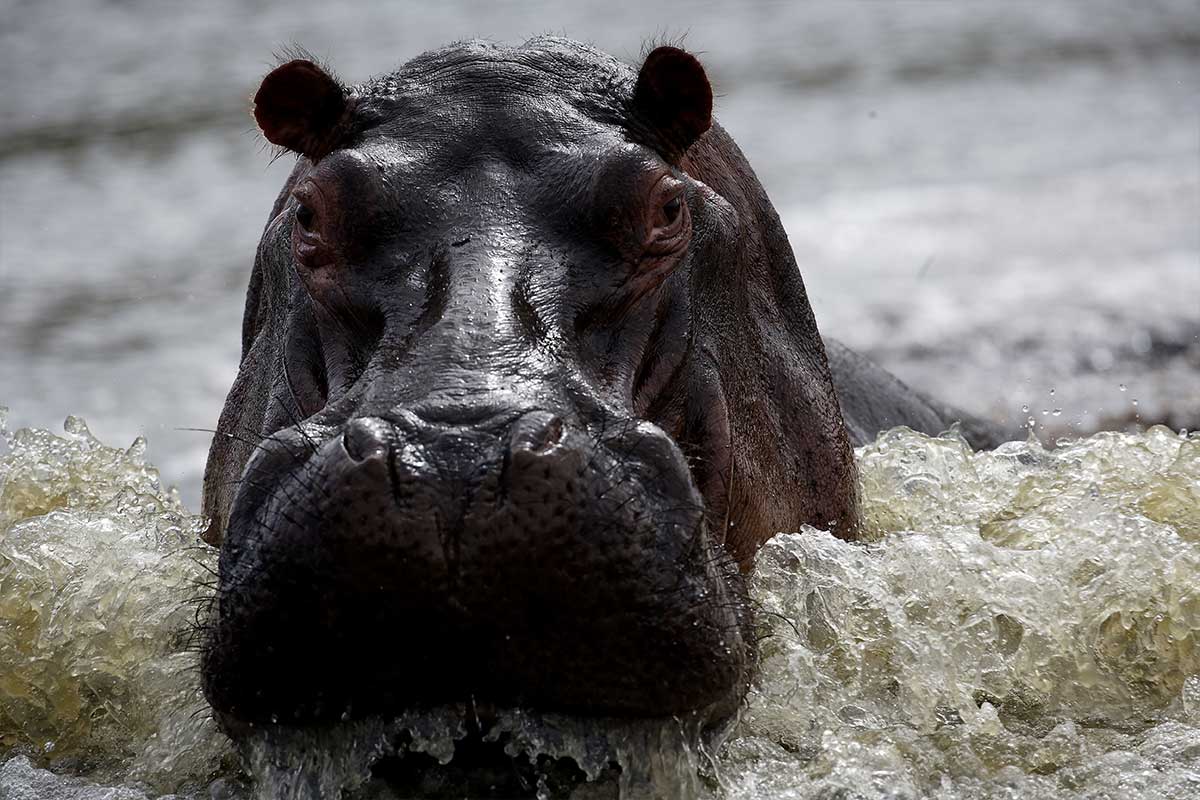
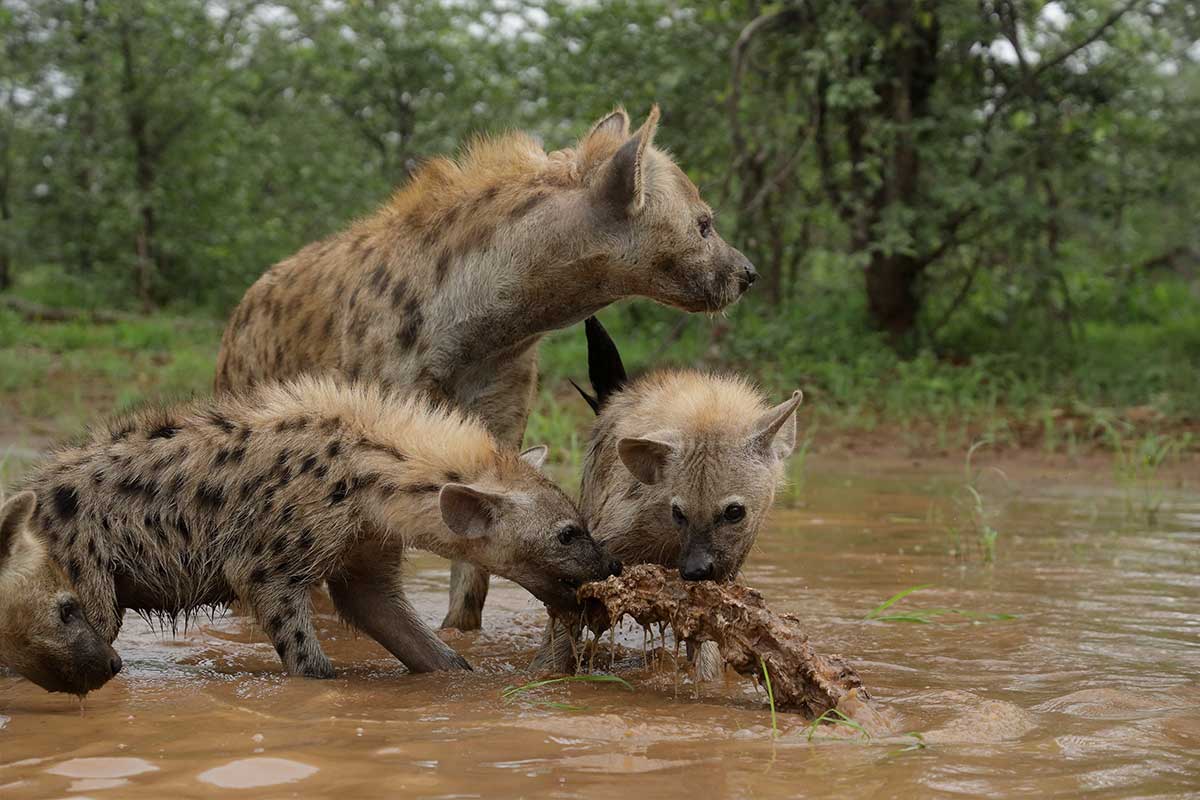
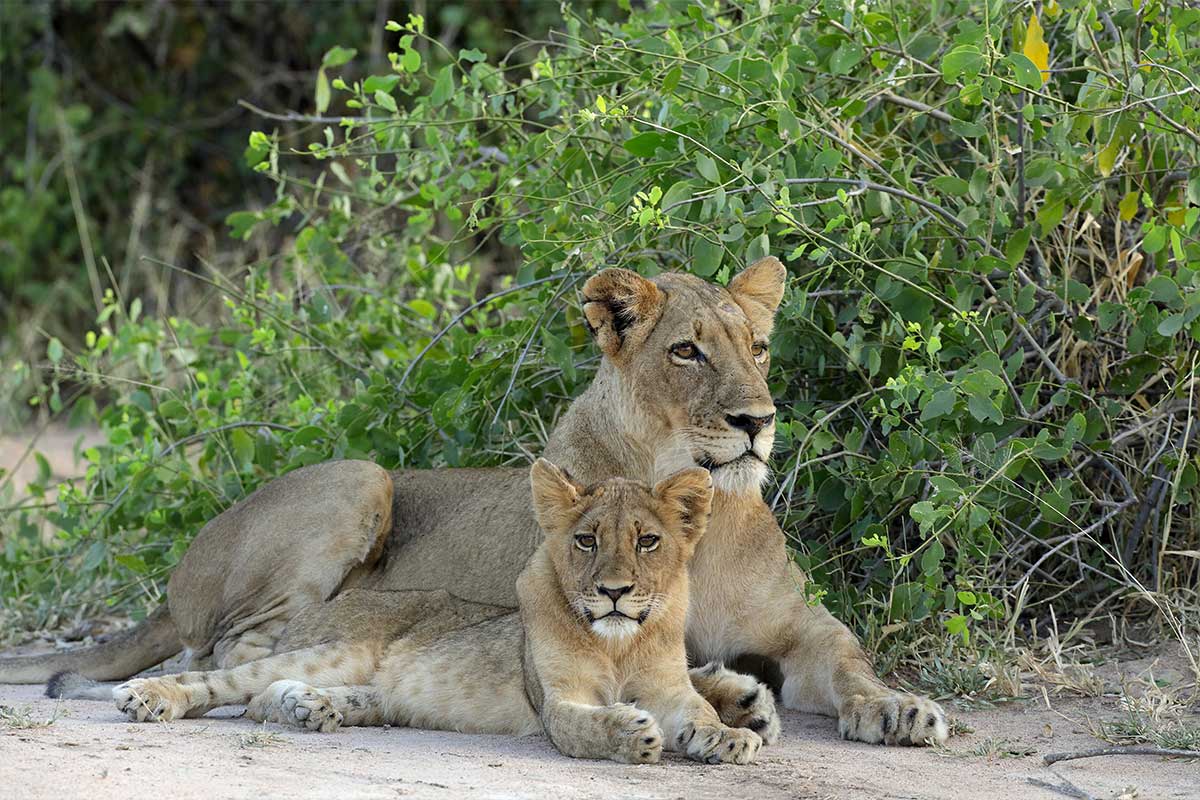
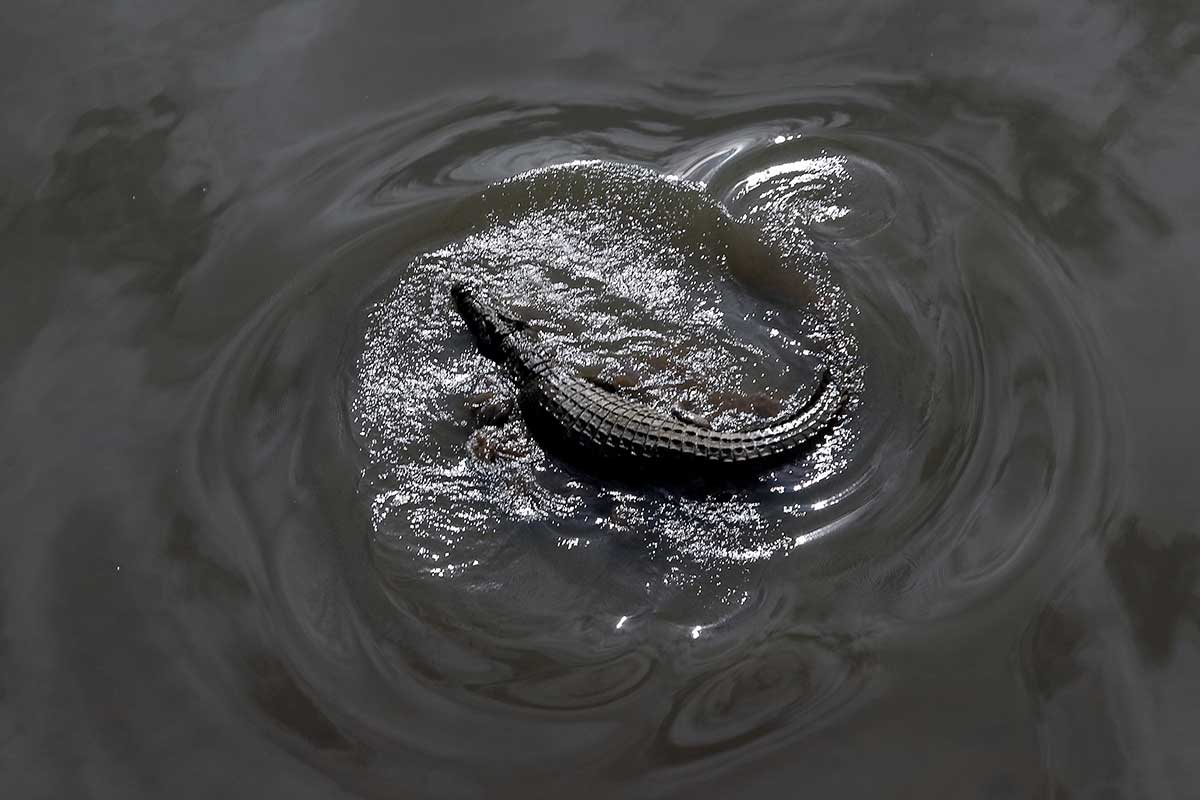
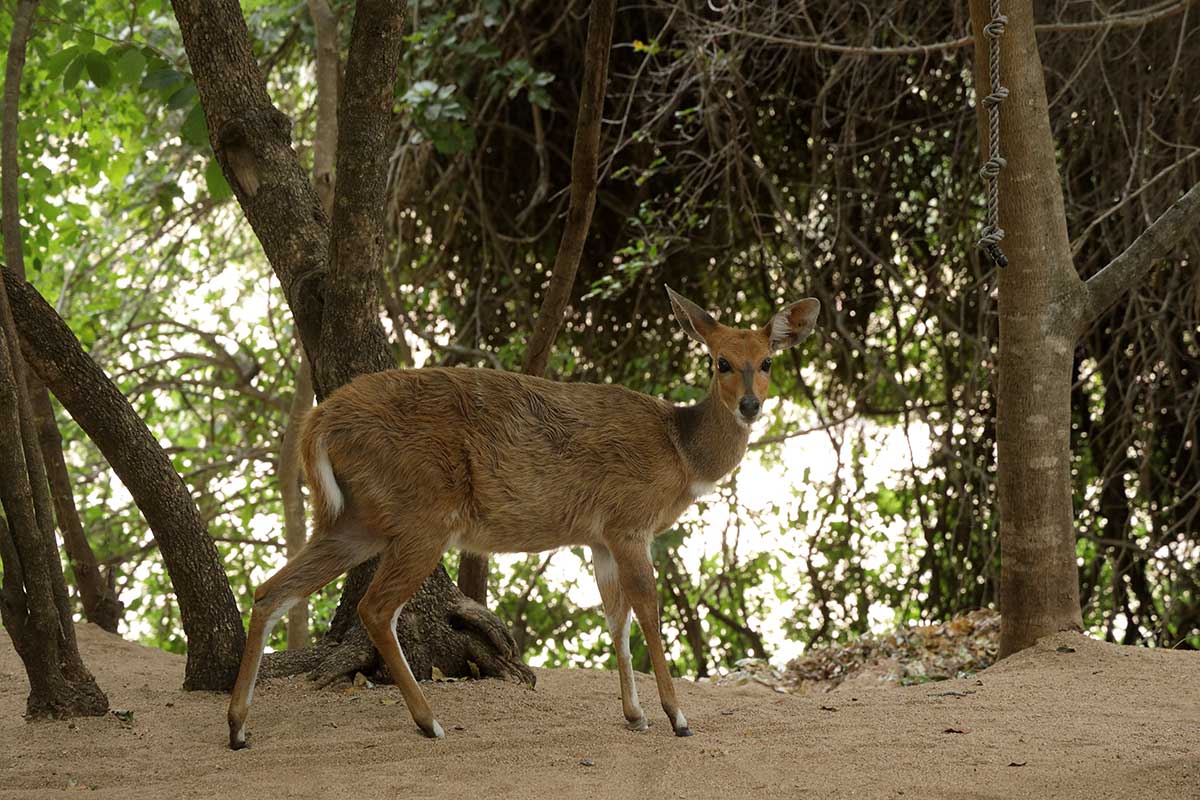
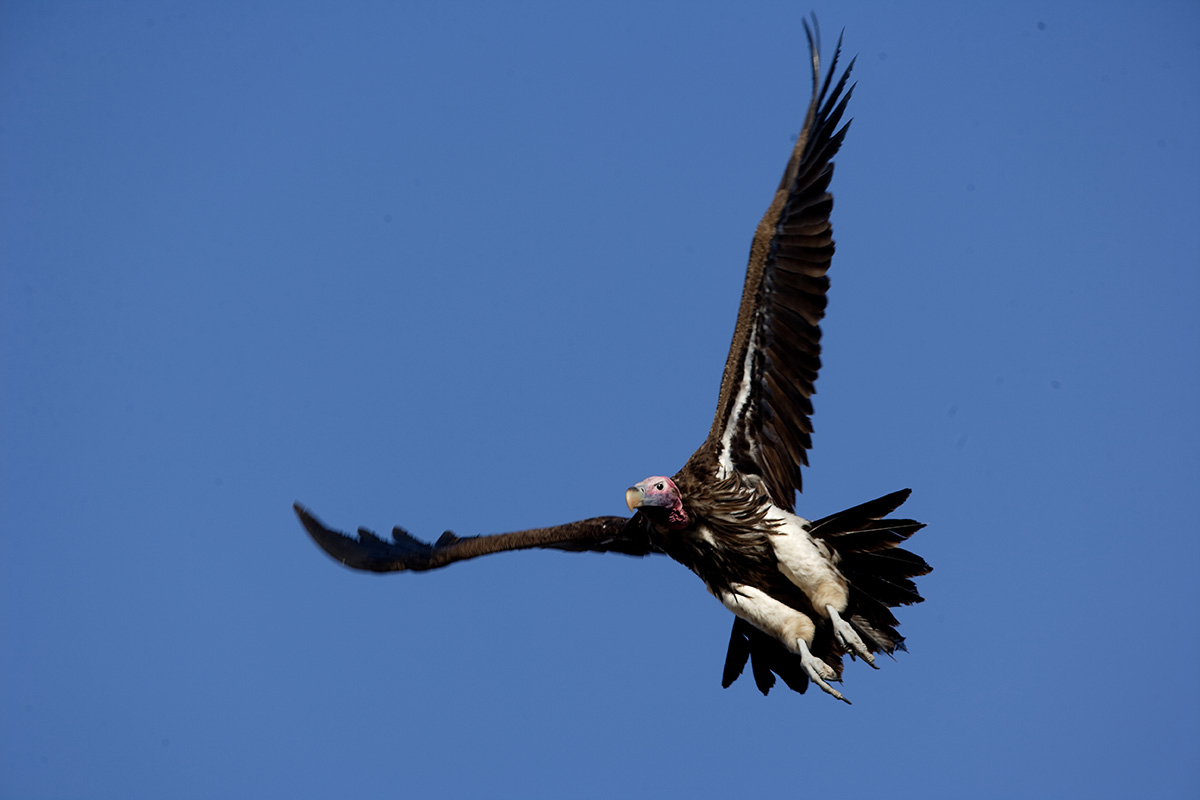
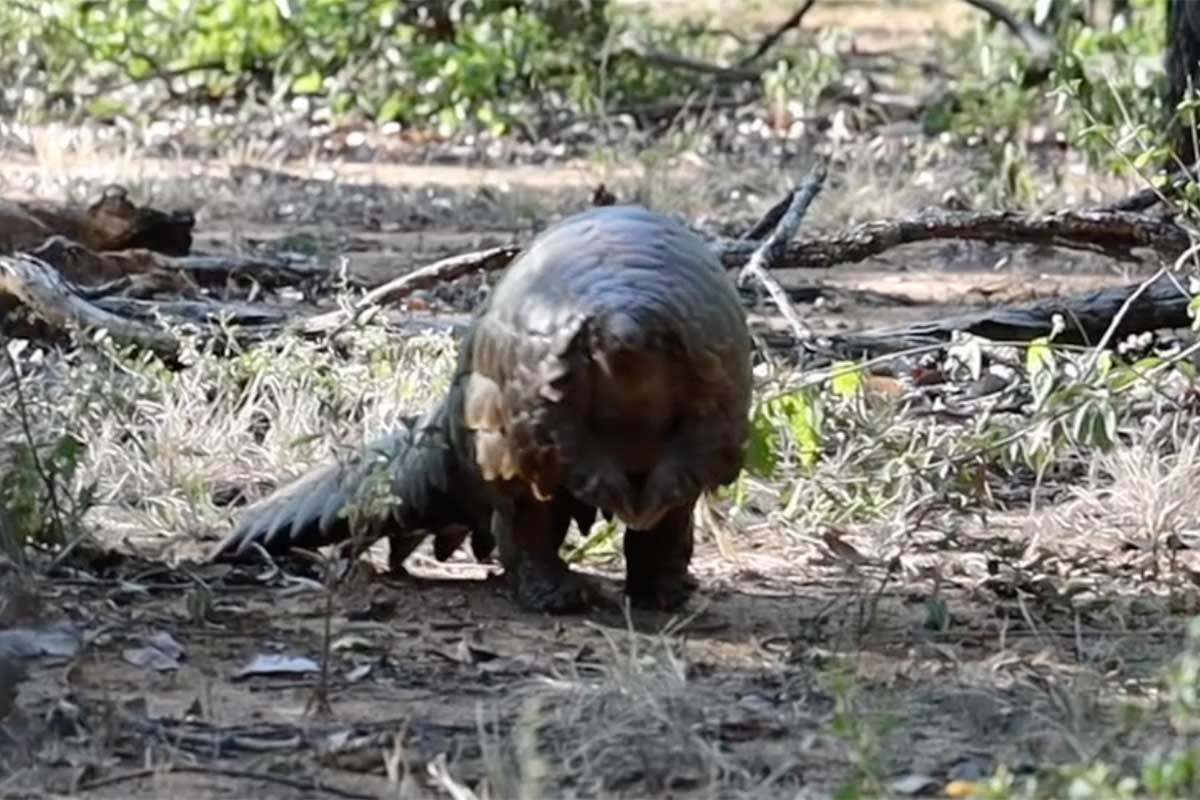
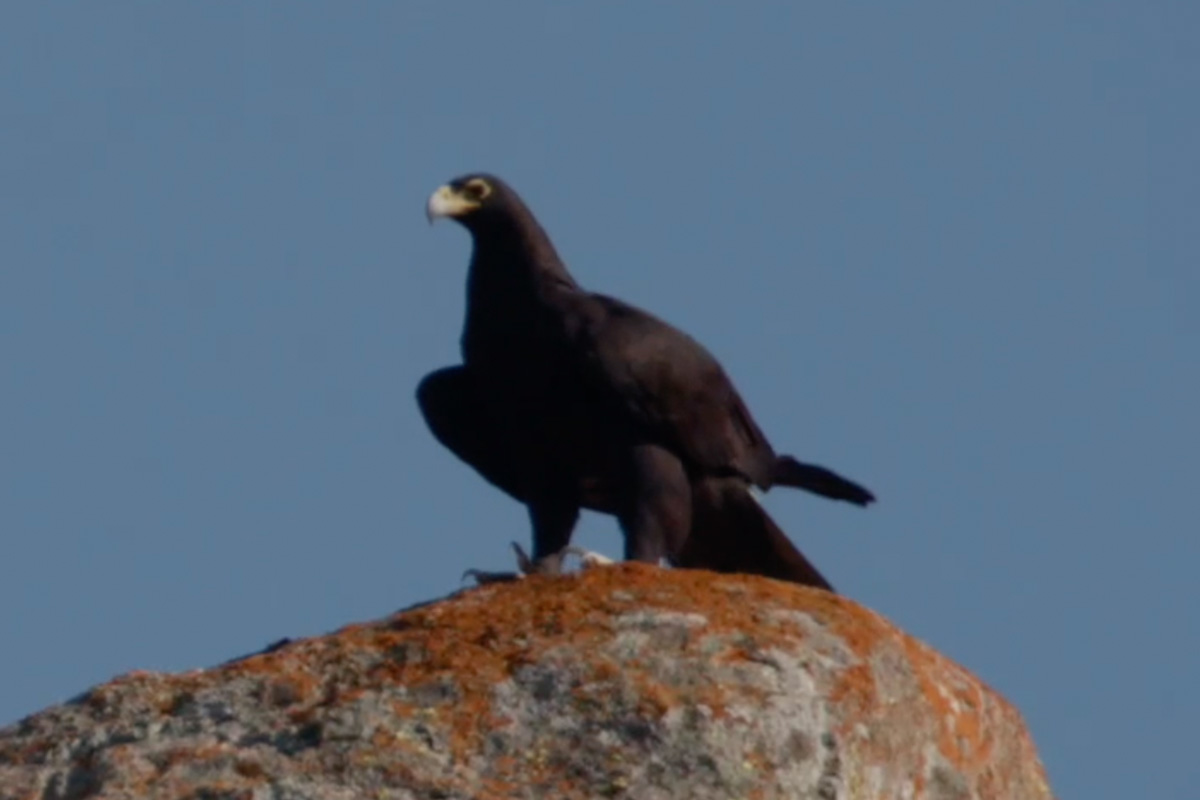
Some of Sango's key Species
OUR HISTORY
Sango, untamed since 1993
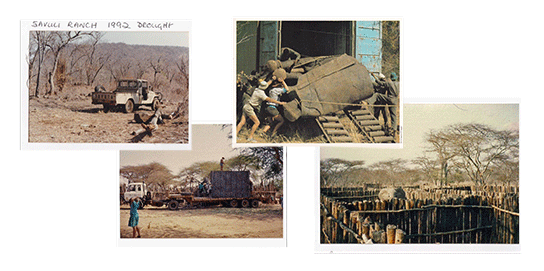
More than a century of intensive cattle ranching leads to severe land degradation, soil exhaustion, loss of native vegetation, and decline of endemic wildlife.
- Bankruptcy of the Devuli Cattle
- Acquisition of Sango by Wilfried Pabst, with a clear and ambitious vision: to restore this degraded landscape and allow a self-sustaining ecosystem to emerge once again.
- Acquisition of Sango by Wilfried Pabst, with a clear and ambitious vision: to restore this degraded landscape and allow a self-sustaining ecosystem to emerge once again.
- Establishment of Sango Wildlife Conservancy (SWC).
- Initiation of ecosystem restoration activities, including the dismantling of cattle infrastructure.
- Identification of the first historically significant cultural sites on the property.
- Initiation of ecosystem restoration activities, including the dismantling of cattle infrastructure.
- Identification of the first historically significant cultural sites on the property.
- Signature of the German–Zimbabwean Investment Promotion and Protection Treaty, ensuring secure land ownership and enabling conservation planning over generational timescales.
- Legal framework established to secure long-term land ownership and conservation management at Sango.
- Legal framework established to secure long-term land ownership and conservation management at Sango.
Zimbabwe experiences a 20% decline in woodland cover, reinforcing the importance of secure conservation areas such as Sango.
Reintroduction of lions from Malilangwe Reserve into the Savé Valley Conservancy.
- Reintroduction of white rhinos from Malilangwe Reserve into the Savé Valley Conservancy.
- Accelerated recovery of ecological processes and wildlife populations following species reintroductions.
- Accelerated recovery of ecological processes and wildlife populations following species reintroductions.
- Gradual regeneration of savanna, woodland, and wetland ecosystems.
- Growth of populations of threatened and endangered species, including black rhinos and African wild dogs.
- Expansion of community partnerships focused on education, sustainable livelihoods, and human–wildlife coexistence.
- Growth of populations of threatened and endangered species, including black rhinos and African wild dogs.
- Expansion of community partnerships focused on education, sustainable livelihoods, and human–wildlife coexistence.
- Sango’s carbon stock is assessed and certified to 8.5 million tons of carbon in the vegetation and soils, and in the process of being certified B Corp and IUCN Green List.
- Protection of approximately 10% of Zimbabwe’s black and white rhino population and a significant share of Africa’s remaining 6,500 black rhinos.
- Protection of approximately 10% of Zimbabwe’s black and white rhino population and a significant share of Africa’s remaining 6,500 black rhinos.
Documentation of more than 24 cultural heritage sites dating back to nomadic populations up to the 16th century, depicting human figures, animals, and spiritual symbols, connecting today’s conservation landscape to a much older history of human presence.
Pre-1992
1992
1993
1995
1991–2008 (National context)
2005
2006
2000s–2010s
Present Day
Our Team

Laurent Gross
Entrepreneur
• 35 years of experience in processes and management
• Based in Andorra

Martin Seitz
Engineering diploma in Forestry, Forest Carbon Experpert
• 20 years of experience in forestry consulting and certification of forest carbon projects/forest management systems
• 2.5 years’ work experience in management position in Ghana
• Based in Germany

Michael Krause-Besan
M.Sc. of Forestry, PhD in Agricultural Economics, at Potsdam Institute for Climate Impact Research |

Lourette Joubert
B.Sc Honors Plant and Animal Science, GIS, M&E.,
• Over 25 years of experience in conservation and biodiversity fields within Zimbabwe, South Africa and Zambia and experience with carbon project development and monitoring
• Focus on GIS analysis incorporated with Monitoring and Evaluation
• Based in Zambia

Sharon T. George
M.Sc. Conservation Biology; B.Sc. Ecology, Natural Resource Management
• Over 15 years of combined consulting, industry and teaching experience in the fields of conservation and environmental management in Southern Africa
• 4 years of experience in carbon project development in Southern Africa
• Based in Zambia and in the USA
Naomi Delille
MsC in Environmental Economics
• 7 years of experience in Nature consulting for organisations
• Focus on biodiversity economics
• CSR strategies and marketing
• Based in the UK

Heliabel Bomstein
MsC in Conservation Biology
• 10 years of experience in the implementation of conservation and restoration initiatives, including Nature strategies for companies
• Focus on Nature finance
• CSR strategies and fundraising
• Based in France

Kim Wolhuter
Degree in Grassland Science
• Over 35 years in wildlife conservation and documentary filmmaking
• Unique ability to build intimate relationships with wild animals
• Expert in documenting natural behaviour of predators such as leopard, hyena, cheetah, and wild dog
• Based in Sango, Zimbabw
The Implementation Team

William
Young
PGDip in Management and IT
• Over 25 years of experience in leadership and project management across Zimbabwe and the UK
• Focus on driving operational excellence, and building strong, capable teams
• Based in Sango, Zimbabwe

Tsumbei Nemabwe
Diploma in Professional Hunting (Certified Professional Hunter)
• Over 30 years of experience in wildlife conservation and biodiversity at Sango Wildlife Conservancy Zimbabwe
• Focus on anti-poaching efforts, bush pump installations and Community engagement
• Based in Sango, Zimbabwe

Dusty (CJ) Joubert
MSc Wildlife Management, Terrestrial Ecology
• Over 25 years of experience in Biodiversity conservation in Zimbabwe, South Africa, and Zambia
• Focus on ecosystem functioning and conservation
• Based in Zambia